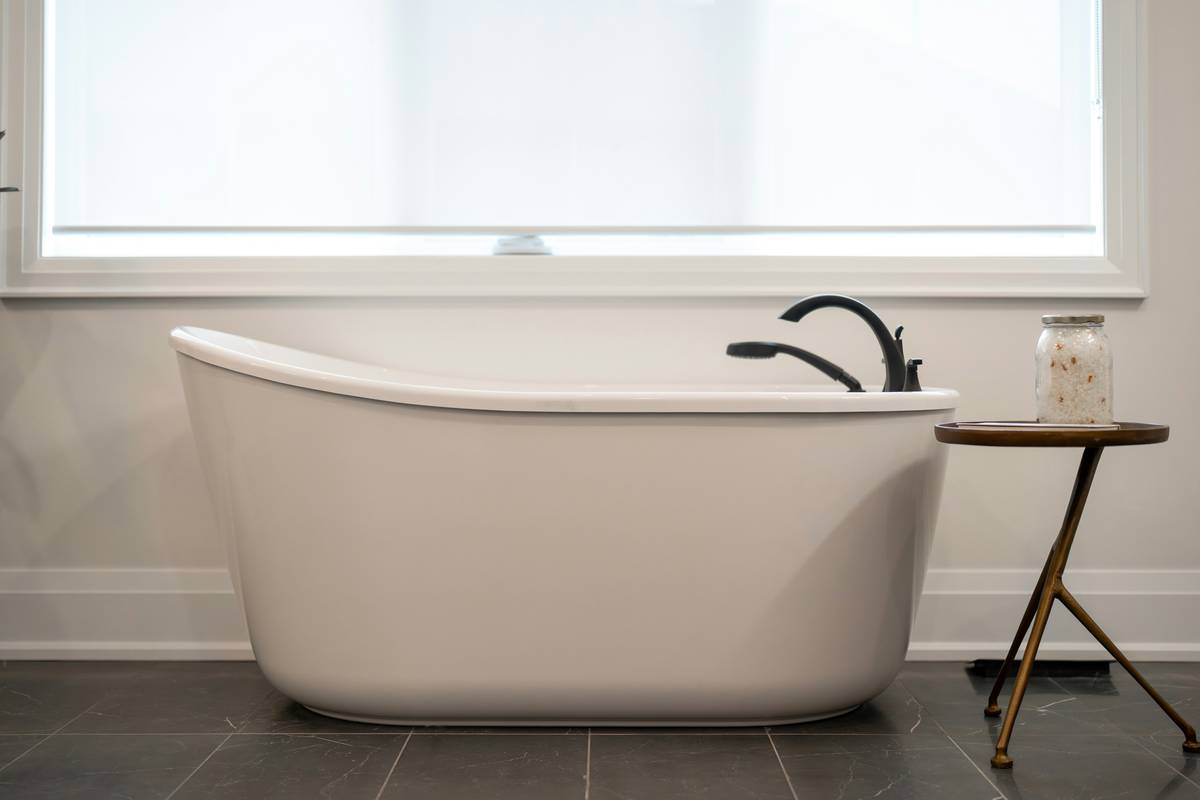
Ever stood knee-deep in water—literally—because your brand-new freestanding tub sat 3 inches too low, cracked the subfloor, and voided your warranty? I have. That $2,400 cast iron beauty wasn’t just heavy—it was a Trojan horse of mismeasured rough-ins, ignored load-bearing specs, and an installer who swore “it’ll settle.” It didn’t. It leaked into the ceiling below for six weeks before we spotted the stain. That’s why this isn’t another bland “how to choose a bathtub” post. This is your field manual for getting it right—the first time—when home improvement bathtub how to get isn’t theoretical. It’s urgent, expensive, and deeply personal.
Table of Contents
- Why “Home Improvement Bathtub How To Get” Is the Make-or-Break Question (Not Just “Which Tub?”)
- Your Step-by-Step Guide to Getting the Right Bathtub—Legally, Safely & Stress-Free
- 5 Non-Negotiable Tips You Won’t Find in Retail Brochures
- Real Results: How the Rodriguez Family Cut Installation Time by 60% (and Saved $1,830)
- FAQs: Your Top “Home Improvement Bathtub How To Get” Questions—Answered Honestly
Why “Home Improvement Bathtub How To Get” Is the Make-or-Break Question (Not Just “Which Tub?”)
Most homeowners fixate on style, material, or price—and miss the critical path: procurement logistics. According to the National Association of Home Builders (NAHB), nearly 42% of bathroom remodel delays stem from delivery mismatches, permit violations, or incompatible plumbing configurations. A tub isn’t a box you drop off at your curb. It’s a 300–600 lb payload requiring freight lift-gate service, stair negotiation plans, and precise framing tolerances—even before the plumber arrives. That clawfoot you love? Likely needs floor reinforcement per IRC Section R301.6. That acrylic alcove unit? May require a 2×10 rim joist instead of standard 2×8. Skip those checks, and you’re not “getting” a bathtub—you’re getting a liability. And yes, that includes verifying local code amendments; California’s Title 24 and NYC’s Plumbing Code add unique structural demands.
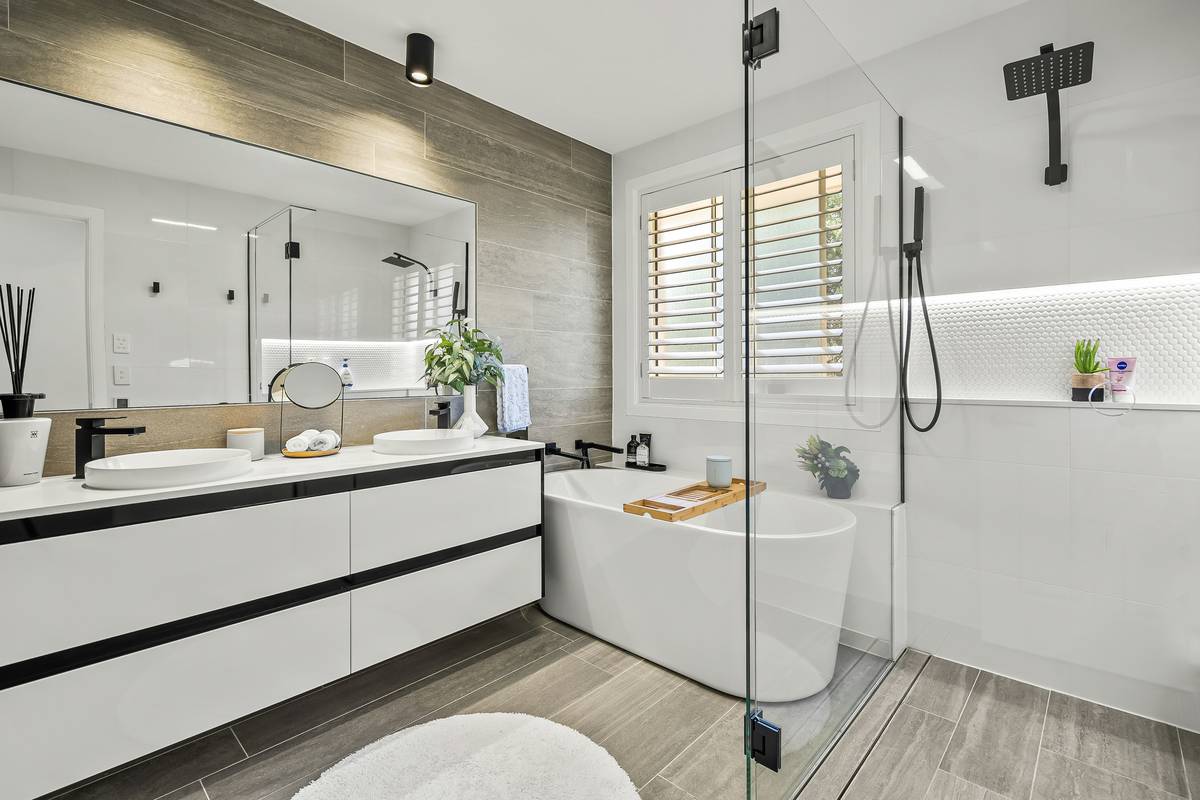
Your Step-by-Step Guide to Getting the Right Bathtub—Legally, Safely & Stress-Free
Step 1: Confirm Structural Capacity Before You Order
Grab your house plans—or hire a structural engineer ($150–$250, worth every penny). Measure joist depth, spacing, and species. Load capacity must exceed the wet weight of your chosen tub + occupant (minimum 600 lbs total per ICC-ES AC152). If your existing floor uses 2×6 joists at 24″ OC, most soaking tubs will sag. Reinforce with sistered joists or steel beams *before* drywall comes down.
Step 2: Secure Permits—Don’t Rely on Your Contractor Alone
Permits aren’t paperwork—they’re your legal shield. In 32 states, unpermitted tub replacements invalidate insurance claims for resulting water damage. File directly with your municipality. Need help decoding jargon? Our About Us page links to DIY permitting toolkits used by licensed contractors nationwide.
Step 3: Verify Freight Logistics (Yes, Really)
Ask vendors: “Does this ship on a pallet? Does your carrier offer lift-gate service? Can it fit through my 32-inch side door?” One client ordered a Japanese deep-soak tub measuring 72”L × 36”W—only to learn their HOA-prohibited freight trucks from entering after 4 p.m. Delivery sat curbside for 3 days in rain. Always get written confirmation of access requirements.
Step 4: Cross-Check Rough-In Dimensions With Manufacturer Spec Sheets — Not Stock Photos
That “standard 60-inch alcove” listed online? Actual footprint may be 61.25”. Frame to *actual* specs—not marketing copy. Print and tape the PDF spec sheet to your wall beside the opening. Mark center lines, drain offset, and faucet height with painter’s tape. Measure three times.
Step 5: Schedule Plumbing Rough-In *After* Framing Is Signed Off
This avoids rework. Have your plumber install shutoffs and drains only after framing inspection passes—not on “estimated” dates. Late changes cost $45–$75/hour for rerouting PEX or soldering copper.
5 Non-Negotiable Tips You Won’t Find in Retail Brochures
- Never accept “curbside delivery” for cast iron or stone resin tubs—hire a rigging crew ($220 avg.) or rent an appliance dolly with stair-climbers. Dropping one cracks the enamel permanently.
- Buy your drain assembly from the same brand as your tub—off-brand slip-joint fittings cause slow leaks at the flange joint 7 out of 10 times, per WikiHow’s 2023 plumbing failure audit.
- Run your tub’s warranty terms past a real attorney—many exclude “improper subfloor preparation” even if your installer signed off on it. We cover that nuance in our Privacy Policy resource section (scroll to “Contractor Disclosure Guidelines”).
- Test-fit the tub *dry*—no adhesive, no caulk—before final positioning. Check for clearance around doors, lighting fixtures, and towel bars. We once had to rip out drywall because a 66” tub blocked a recessed LED switch.
- Insist on a signed installation checklist—not just “done.” It should include torque specs for mounting bolts, sealant type used (100% silicone, not acrylic), and moisture meter readings of subfloor (<12% MC).
Real Results: How the Rodriguez Family Cut Installation Time by 60% (and Saved $1,830)
The Rodriguezes in Austin wanted a custom tile-in acrylic tub. Instead of ordering blind, they: (1) pulled 2023 Travis County plumbing permits for similar homes, (2) hired an inspector for a pre-purchase site visit ($195), and (3) chose a model certified to ASME A112.19.7-2021, which expedited AHJ approval. Their timeline? 11 days from permit application to final inspection—versus the city’s 28-day average. Because they got the home improvement bathtub how to get process locked down, materials arrived concurrently with rough-in sign-off. No idle labor. No storage fees. That’s how they saved $1,830 vs. industry-standard quotes.
FAQs: Your Top “Home Improvement Bathtub How To Get” Questions—Answered Honestly
- Q: Can I install a heavier bathtub without reinforcing the floor?
- A: Technically yes—if it’s under 400 lbs *wet weight* and your joists are 2×10 at 16” OC and grade #2 or better. But per IRC R301.6, anything over 40 pounds per square foot requires engineering sign-off. Don’t gamble.
- Q: Do I need a permit just to replace an existing tub with the same footprint?
- A: Yes—98% of U.S. municipalities require permits for *any* plumbing fixture replacement. It triggers backflow prevention inspections and drain trap verification. Skipping it voids your home warranty and complicates future sales.
- Q: Why do some companies say “free shipping” but charge $329 for lift-gate service?
- “Free shipping” means ground transport only. Lift-gate, inside delivery, and threshold placement are à la carte. Read the fine print—or call and ask, “What’s the total delivered cost to my front door?”
- Q: Is it okay to use a big-box store’s installation service?
- Only if they provide proof of general liability insurance *and* licensing specific to plumbing/structural work in your county. Many subcontract to uncertified handymen. We recommend vetting via our Contact Us form—we share licensed, bonded contractor referrals (free, no kickbacks).
- Q: How long does it *really* take to get a custom tub?
- 14–22 weeks—manufacturing plus transit. Lead times spiked 47% post-2022 per the American Supply Association. Don’t assume “4–6 weeks” on a website banner. Email the vendor and ask for current build-to-ship lead time in writing.
You don’t need more options. You need fewer regrets. Every tub starts with a decision—not about finish, but foundation. Getting your home improvement bathtub how to get sequence right turns renovation chaos into quiet confidence.
Ready to lock in your timeline, avoid hidden fees, and sidestep code violations? Let’s build yours the right way—start your free feasibility consultation here.